
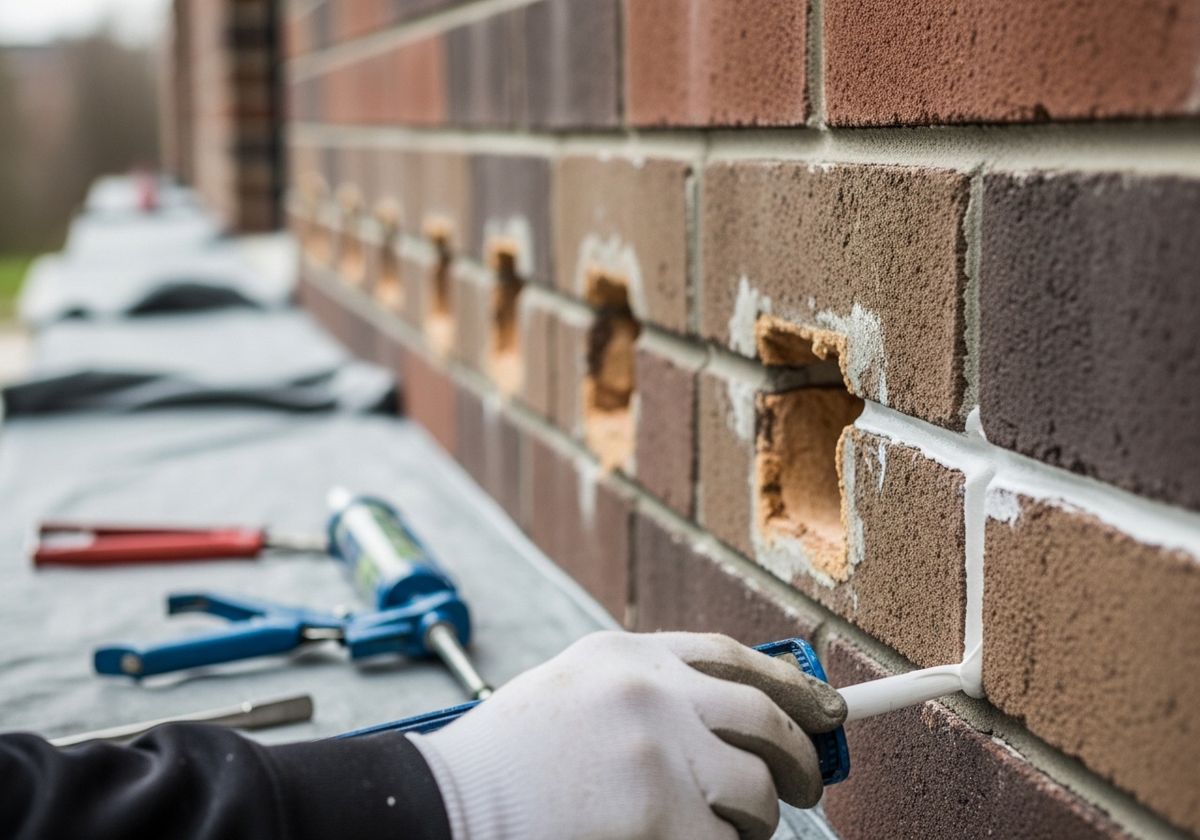
Waterstop Masonry Restoration & Waterproofing LLC specializes in masonry waterproofing and restoration. As a building owner or manager, maintaining the integrity of your building's masonry is crucial for its longevity and safety. One essential aspect of masonry maintenance is ensuring that the sealant is in good condition. Masonry sealant plays a vital role in protecting your building from water damage, which can lead to costly repairs if left unaddressed. But when is the best time for masonry sealant replacement?
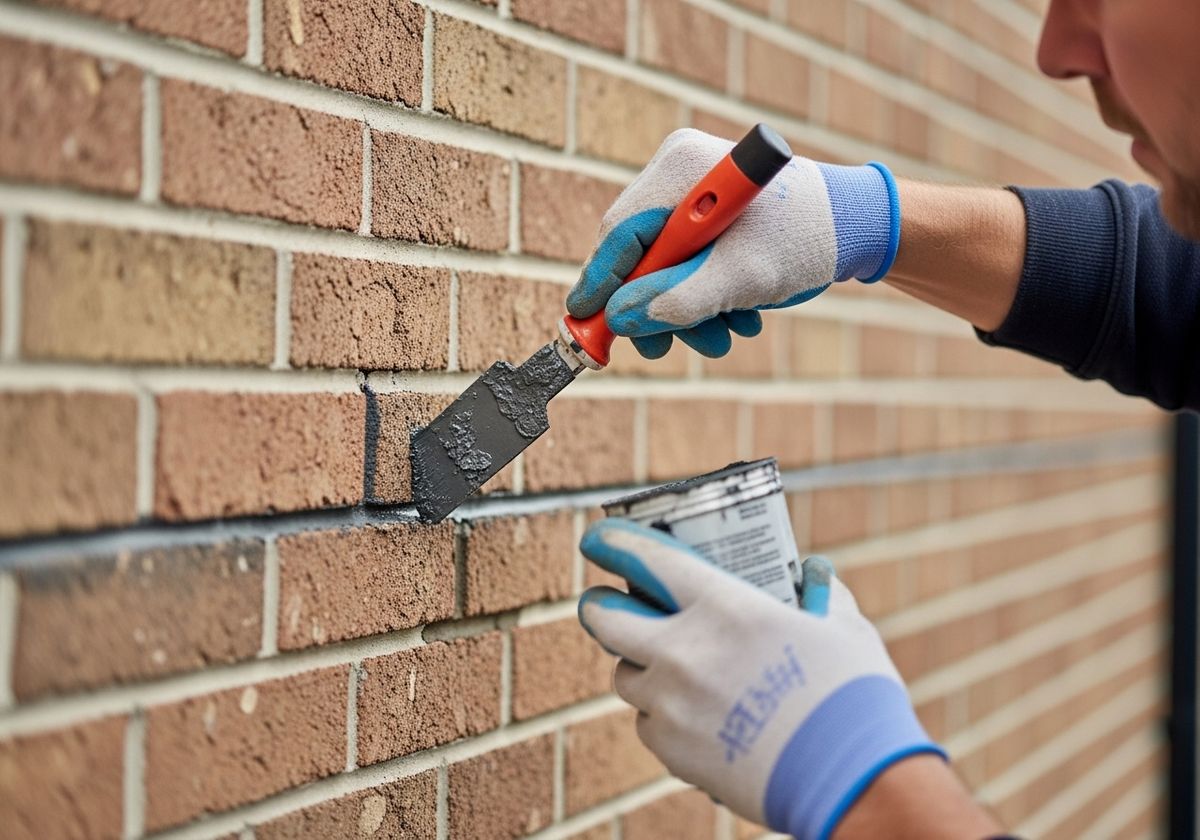
Understanding the Role of Masonry Sealant
Masonry sealant, also known as caulk or sealant, is a flexible material used to seal joints and gaps in masonry structures. Its primary function is to prevent water from penetrating the masonry, which can cause a range of problems, including:
Efflorescence (white salt deposits on the surface)
Cracking and spalling of bricks or stones
Freeze-thaw damage
Mold and mildew growth
Structural damage
Factors Influencing Sealant Lifespan
The lifespan of masonry sealant can vary depending on several factors, including:
Type of sealant: Different types of sealant have different lifespans. For example, silicone-based sealants typically last longer than acrylic-based sealants.
Environmental conditions: Exposure to harsh weather conditions, such as extreme temperatures, UV radiation, and moisture, can accelerate sealant degradation.
Joint movement: Movement in the masonry structure can cause the sealant to crack or lose its adhesion.
Installation quality: Proper surface preparation and sealant application are essential for maximizing sealant lifespan.
Identifying Signs of Sealant Failure
Regularly inspecting your building's masonry sealant can help you identify potential problems early on. Here are some common signs of sealant failure:
Cracking or tearing
Shrinkage or loss of adhesion
Discoloration or staining
Hardening or loss of flexibility
Water leaks
If you notice any of these signs, it's time to consider masonry sealant replacement.
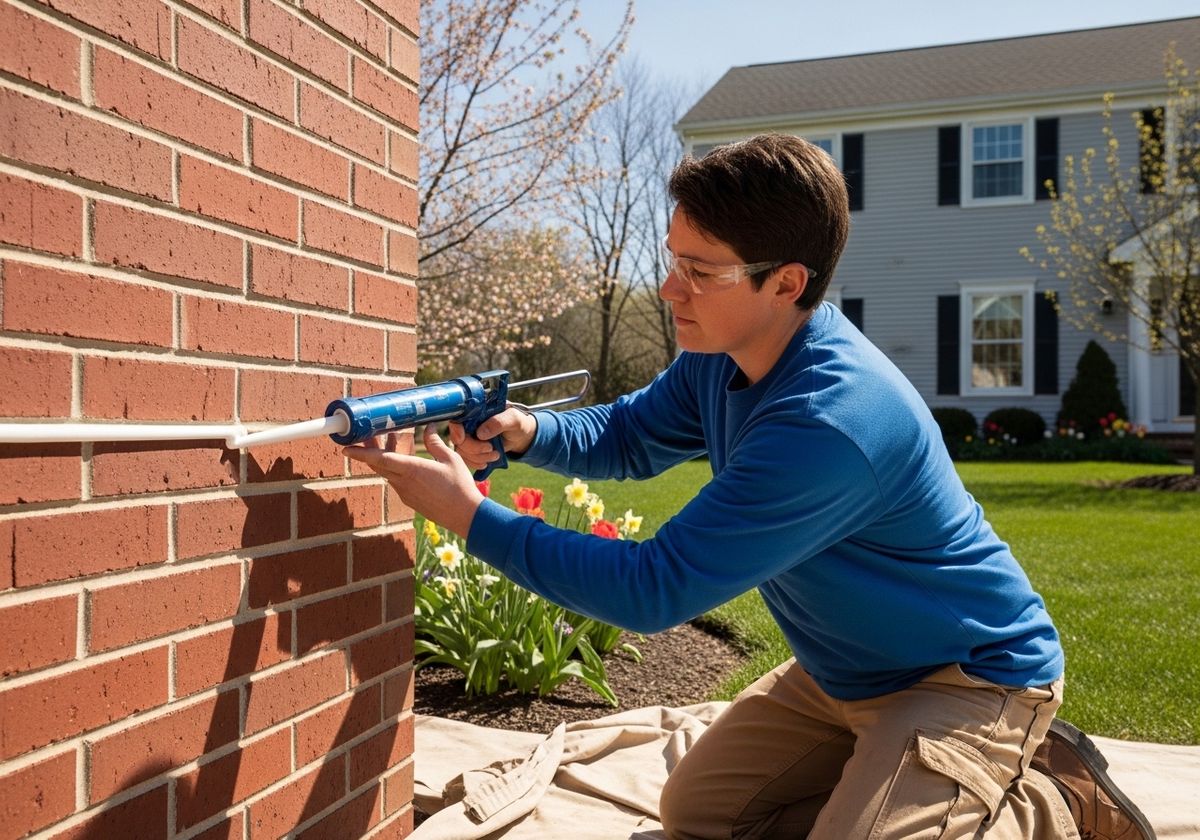
Optimal Timing for Sealant Replacement
The best time for masonry sealant replacement is typically during dry, moderate weather conditions. Spring and fall are often ideal, as temperatures are mild and there is less chance of rain. Avoid replacing sealant during extreme heat or cold, as these conditions can affect sealant adhesion and curing.
Professional Masonry Services
For optimal masonry maintenance, trust the expertise of commercial masonry contractors. They possess in-depth knowledge of historic masonry restoration and masonry waterproofing, ensuring your building stands the test of time. Timely masonry repair and sealant replacement are crucial for preventing water damage and maintaining structural integrity.
Maintaining your building's masonry sealant is an essential part of protecting your investment. By understanding the role of sealant, recognizing signs of failure, and choosing the right time for replacement, you can prevent water damage and ensure the longevity of your masonry structures. Contact us today to learn more about our services and how we can help you protect your building. Don't wait until it's too late—schedule a consultation with our commercial masonry contractors today!