
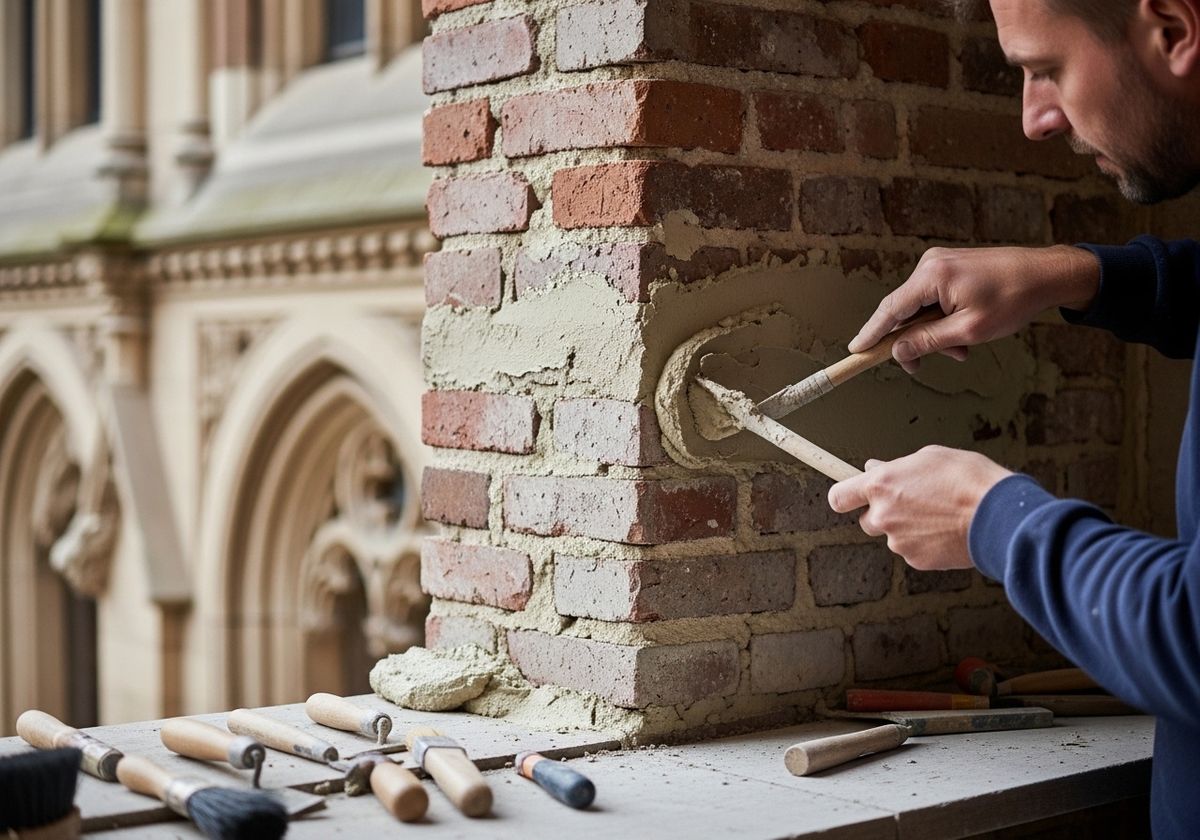
At Waterstop Masonry Restoration & Waterproofing LLC, we understand the intricacies of historic masonry and offer specialized services to ensure its preservation. It's about preserving the integrity and beauty of aged structures while ensuring their longevity. Whether you're dealing with a centuries-old building or a treasured local landmark, understanding the nuances of historic masonry is crucial.
Understanding Historic Masonry
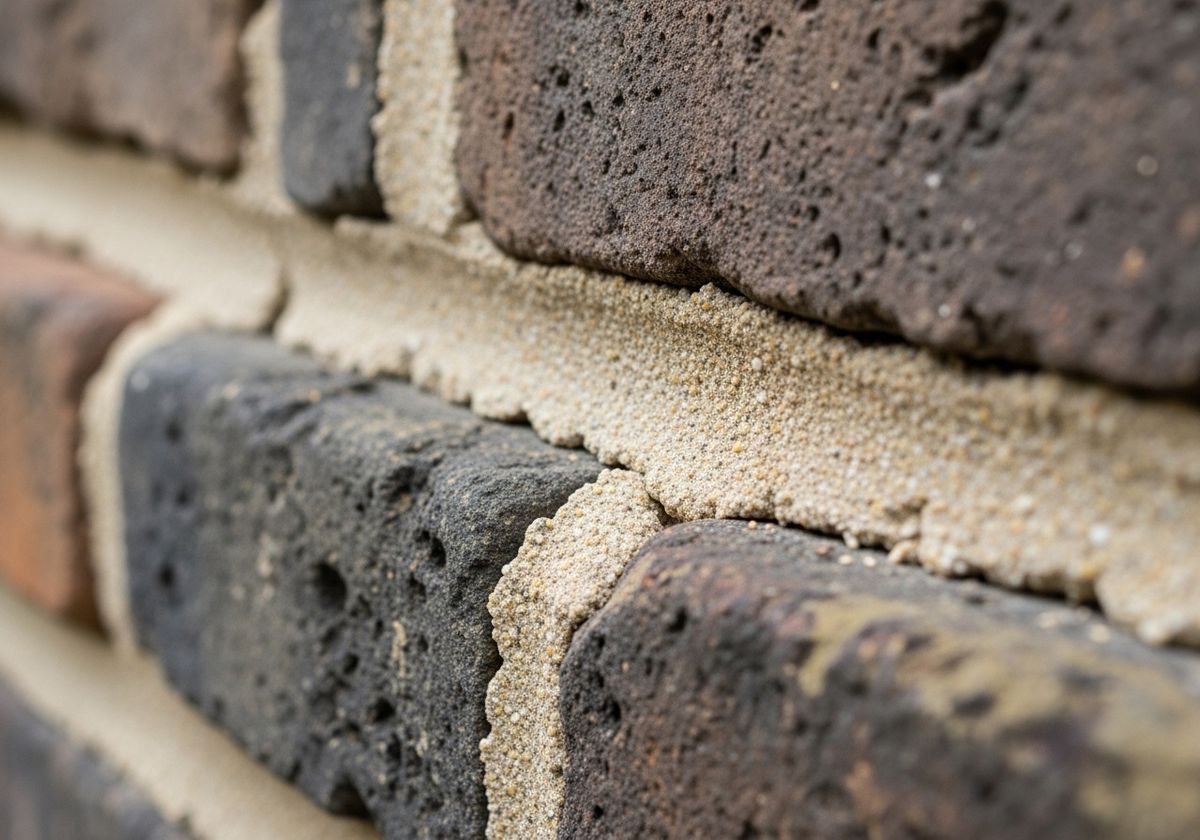
Before undertaking any restoration work, it's essential to understand the specific materials and techniques used in the original construction. Historic masonry often involves materials like lime mortar, unique brick types, and specific stone varieties that are no longer commonly used. Identifying these materials is the first step in ensuring a compatible and effective restoration.
Key Tips for Successful Restoration
Use Compatible Materials: When repairing or replacing damaged masonry, always use materials that are compatible with the original ones. For example, using modern Portland cement mortar on a structure built with lime mortar can cause significant damage over time due to differences in permeability and expansion rates.
Prioritize Preservation Over Replacement: Whenever possible, preserve the original masonry. Cleaning, repairing, and consolidating existing materials is preferable to replacing them. Replacement should only be considered when the existing masonry is beyond repair.
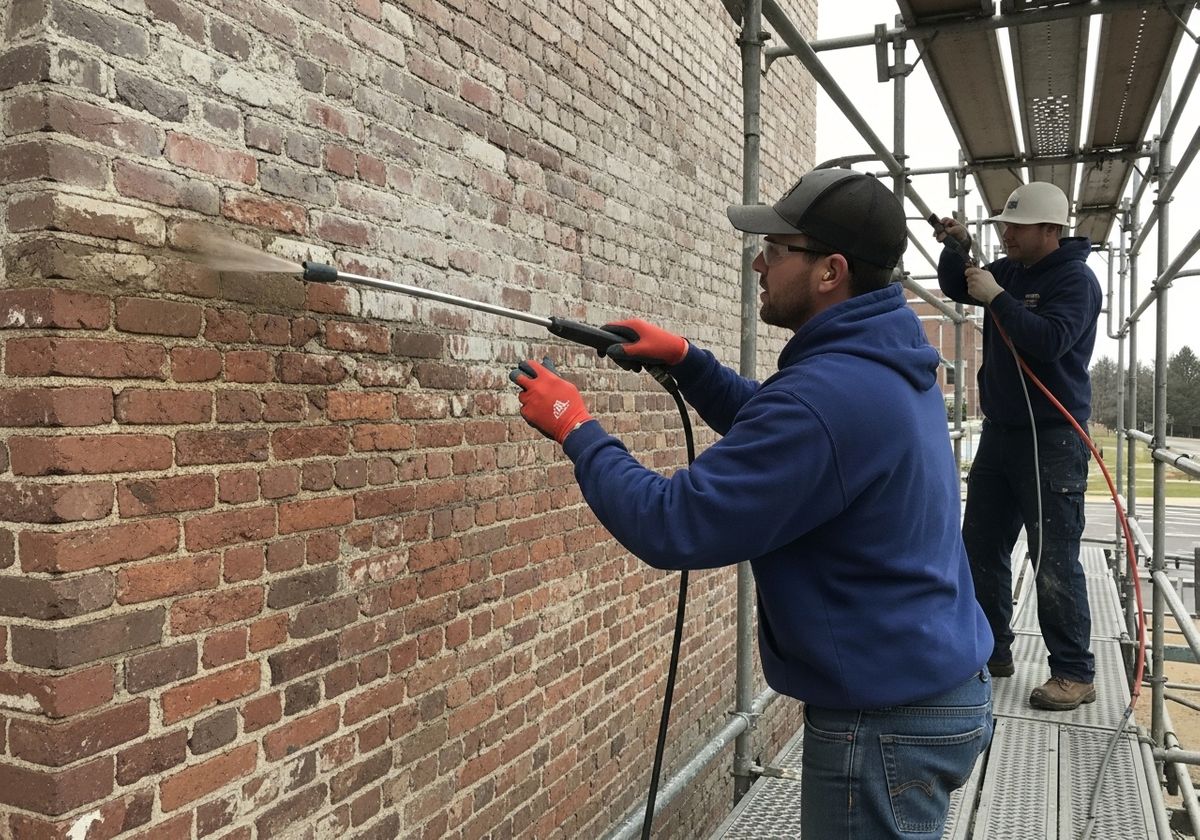
Gentle Cleaning Methods: Harsh cleaning methods can damage historic masonry. Avoid using abrasive blasting techniques or strong chemical cleaners. Instead, opt for gentle methods like hand washing or low-pressure water cleaning.
Address the Underlying Causes of Damage: Masonry damage is often a symptom of a larger problem, such as water infiltration or structural issues. Before making repairs, identify and address the underlying causes to prevent future damage.
Professional Expertise: Given the complexities of historic masonry restoration, it's best to enlist the help of experienced commercial masonry contractors specializing in historic preservation. They can provide valuable insights, develop appropriate restoration plans, and execute the work with the necessary skill and care.
The Importance of Masonry Waterproofing
Water is one of the biggest threats to historic masonry. It can penetrate the masonry, causing freeze-thaw damage, efflorescence, and deterioration of the mortar. Implementing effective masonry waterproofing measures is essential to protect historic structures from water damage. This may involve applying breathable sealants, improving drainage, and repairing cracks or other openings in the masonry.
Historic masonry restoration is a complex but rewarding endeavor. By understanding the unique characteristics of historic materials, using compatible repair methods, and addressing the underlying causes of damage, you can help preserve these valuable structures for future generations. Remember, proper masonry waterproofing is crucial for protecting historic masonry from the damaging effects of water. Contact us today to learn more about our historic masonry restoration and masonry waterproofing solutions, and let us help you preserve our shared history.