
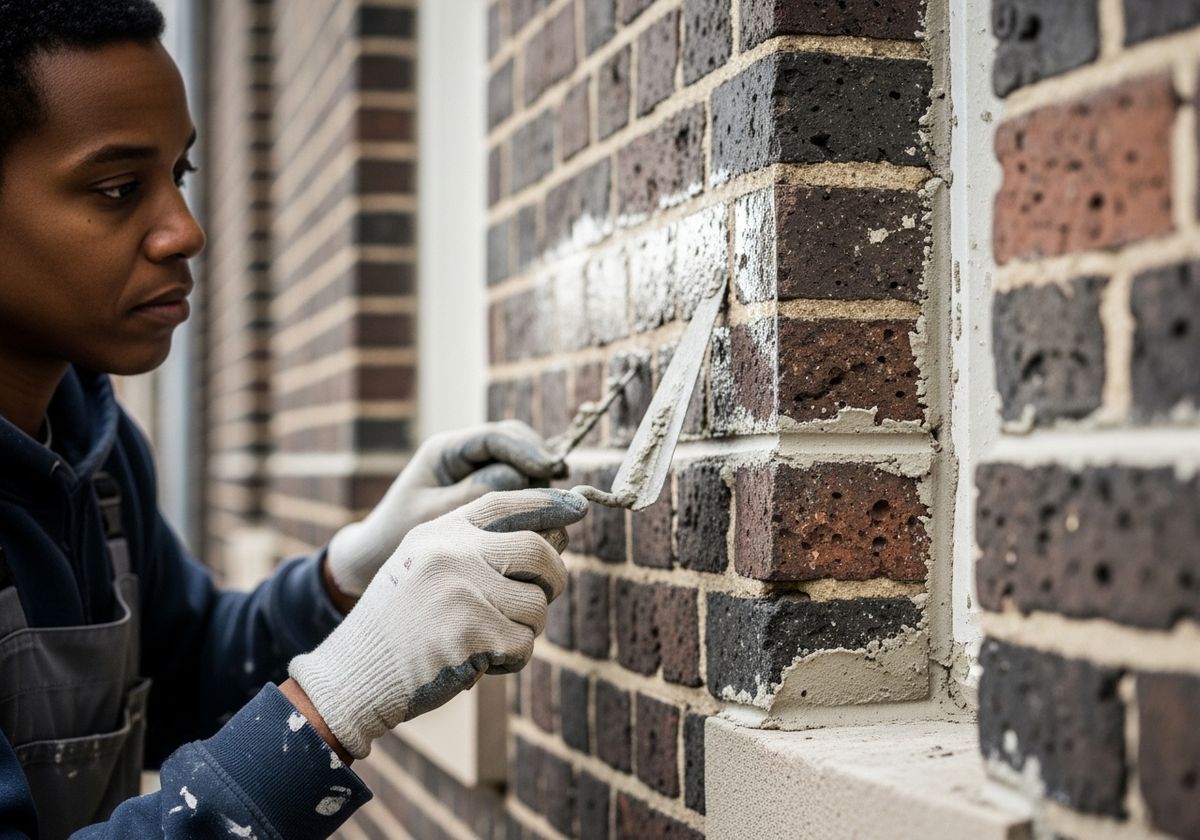
Over time, masonry structures can show signs of wear and tear. Knowing the best repair techniques is crucial for maintaining their structural integrity and aesthetic appeal. Whether you need masonry repair, historic masonry restoration, or are looking for experienced commercial masonry contractors, Waterstop Masonry Restoration & Waterproofing LLC provides reliable solutions.
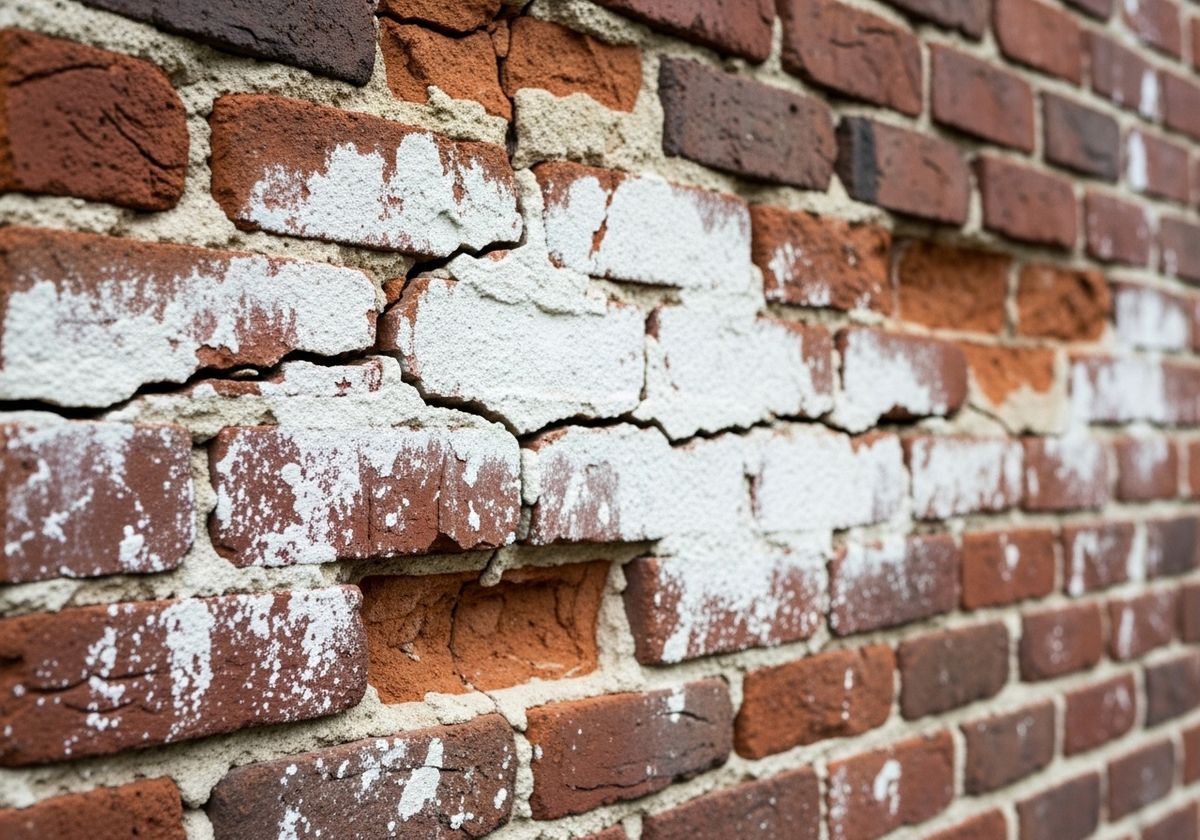
Understanding Masonry Damage
Before diving into repair techniques, it's important to understand the common types of masonry damage. These can include:
Cracks: Caused by settlement, temperature changes, or structural issues.
Spalling: Occurs when the surface of the masonry peels or flakes off due to moisture and freeze-thaw cycles.
Efflorescence: A white, powdery deposit on the surface caused by soluble salts.
Mortar Joint Deterioration: The mortar between bricks or stones can erode over time, leading to instability.
Essential Masonry Repair Techniques
1. Tuckpointing
Tuckpointing is a technique used to repair damaged or deteriorated mortar joints. It involves removing the old mortar and replacing it with new mortar. This not only improves the appearance but also prevents water from penetrating the masonry.
2. Brick and Stone Replacement
When bricks or stones are severely damaged, replacement is necessary. It's crucial to match the original materials as closely as possible to maintain the building's historic integrity. Skilled commercial masonry contractors can source and install matching materials seamlessly.
3. Crack Repair
Small cracks can often be repaired with epoxy injections or patching compounds. Larger cracks may require more extensive repairs, such as stitching or reinforcing the masonry.
4. Masonry Waterproofing
To prevent future damage, masonry waterproofing is essential. This involves applying a sealant to protect the masonry from water penetration. Proper waterproofing can significantly extend the lifespan of masonry structures.
5. Historic Masonry Restoration
For historic buildings, specialized techniques are required to preserve their original character. This may involve using traditional materials and methods to ensure the repairs are historically accurate. These projects typically require the expertise of seasoned commercial masonry contractors with specific experience in historic masonry restoration.
Choosing the Right Materials
Selecting the right materials is crucial for successful masonry repair. Consider factors such as:
Type of Masonry: Different types of masonry (brick, stone, concrete block) require different materials.
Compatibility: Ensure that the repair materials are compatible with the existing masonry to avoid future problems.
Durability: Choose materials that are durable and resistant to weathering and other environmental factors.
Conclusion
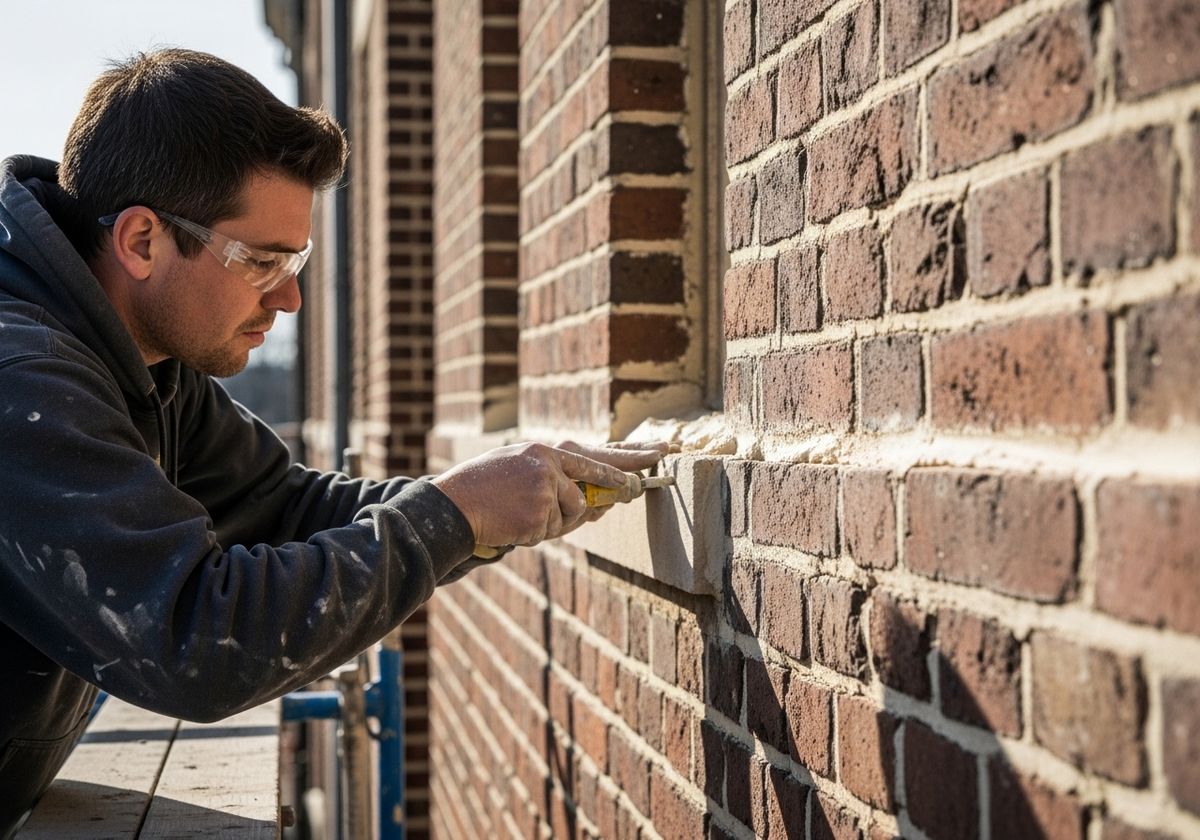
Employing the best masonry repair techniques is vital for maintaining the integrity and appearance of masonry structures. From tuckpointing to masonry waterproofing, each method plays a crucial role in preserving these buildings for years to come. Contact us today to learn more about our services and how we can help protect your investment. Explore our website for additional information on our comprehensive range of services.