
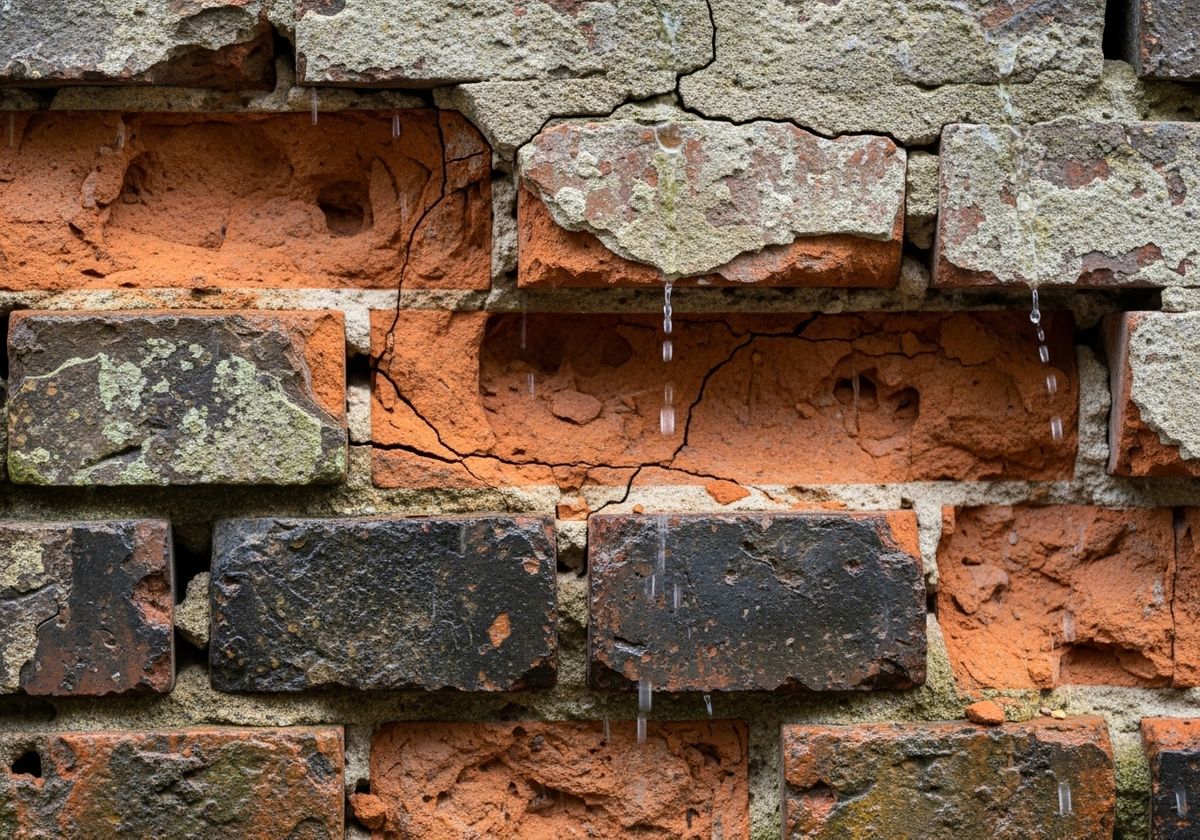
Water is a relentless force of nature, and its ability to infiltrate and damage building materials is well-documented. When it comes to masonry, water ingress can be particularly destructive, leading to a host of problems that compromise the structural integrity and aesthetic appeal of buildings. Understanding how water destroys masonry from the inside out is crucial for property owners and facility managers alike. Waterstop Masonry Restoration & Waterproofing LLC are commercial masonry contractors that specializes in masonry repair and historic masonry restoration.
The Porous Nature of Masonry
Masonry materials, such as brick, concrete, and stone, are inherently porous. This means they contain tiny pores and capillaries that allow water to penetrate their surface. While some level of porosity is necessary for masonry to breathe and release moisture, excessive water absorption can lead to significant damage.
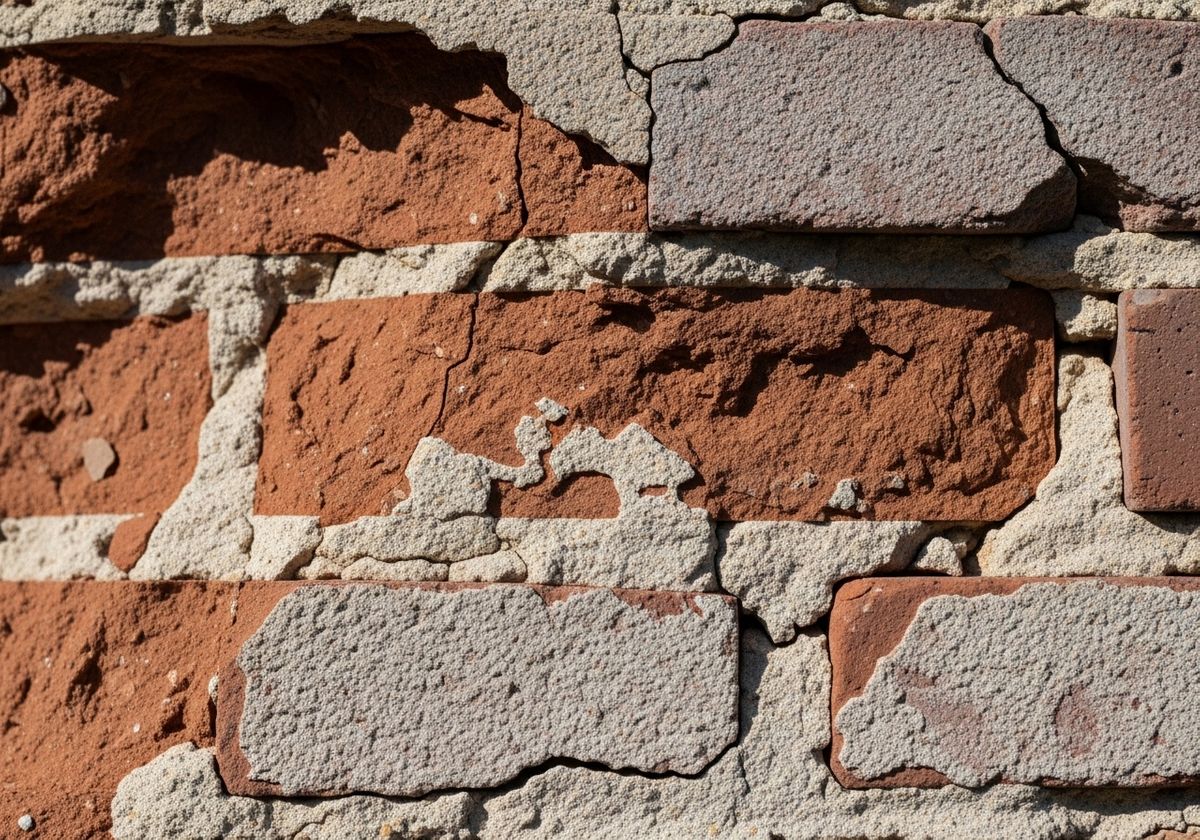
The Freeze-Thaw Cycle
In colder climates, the freeze-thaw cycle is a major contributor to masonry deterioration. When water penetrates the pores of masonry and freezes, it expands by approximately 9%. This expansion creates internal pressure that can cause the masonry to crack, spall, and crumble over time. Repeated freeze-thaw cycles exacerbate the damage, leading to progressive deterioration.
Salt Crystallization
Another way water damages masonry is through salt crystallization. Water can carry dissolved salts from the ground, atmosphere, or de-icing products. When this water evaporates from the surface of the masonry, it leaves behind salt crystals. As these crystals grow, they exert pressure on the surrounding masonry, causing it to disintegrate.
Chemical Reactions
Water can also facilitate chemical reactions that damage masonry. For example, acid rain can react with the calcium carbonate in limestone and mortar, causing it to dissolve and weaken. Similarly, water can react with sulfates in concrete, leading to expansive reactions that cause cracking and crumbling.
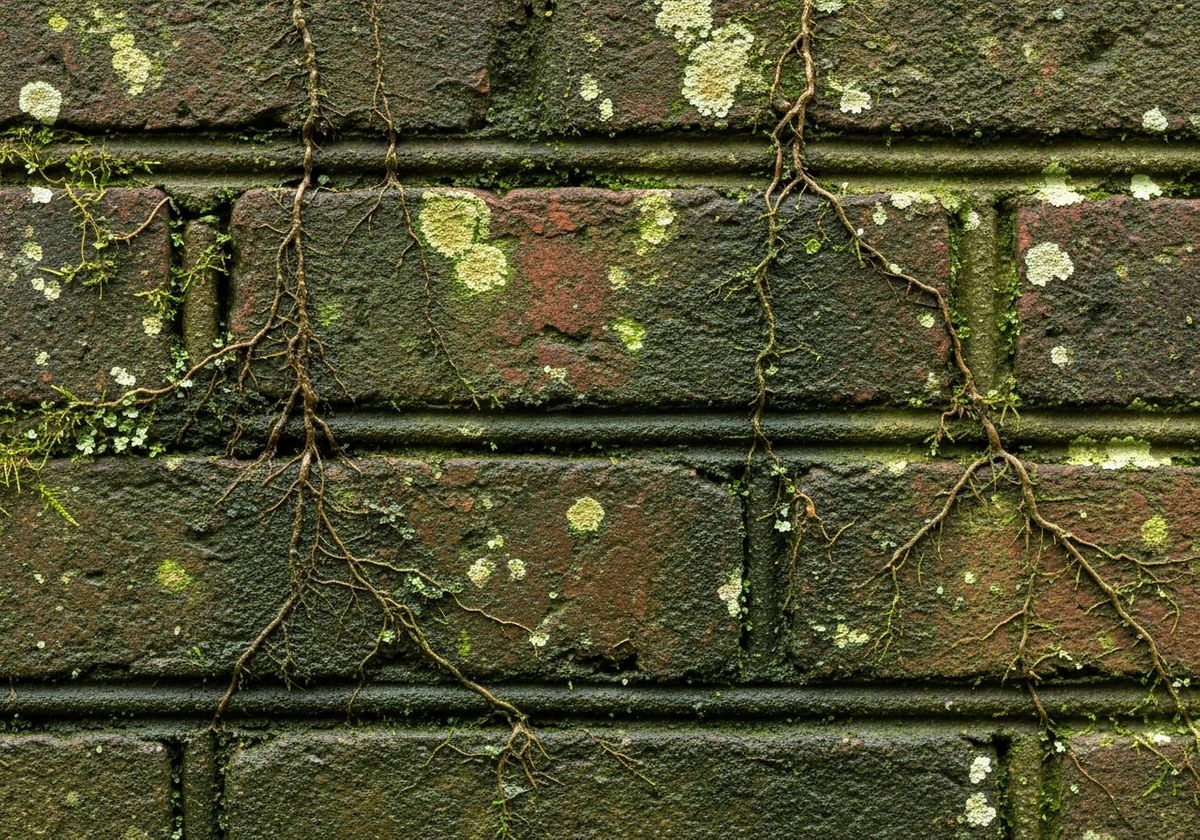
Biological Growth
In addition to physical and chemical damage, water can also promote biological growth on masonry surfaces. Algae, moss, and lichens thrive in damp environments and can stain, discolor, and degrade masonry over time. Their root-like structures can also penetrate the surface, causing further damage.
Protecting Masonry from Water Ingress
Given the destructive potential of water ingress, it is essential to take steps to protect masonry from moisture damage. This can include:
Applying a high-quality masonry waterproofing sealant
Repairing cracks and other defects in the masonry
Improving drainage around the building
Maintaining gutters and downspouts
Using de-icing products sparingly
Water ingress is a serious threat to the longevity and integrity of masonry structures. By understanding the mechanisms by which water damages masonry and taking proactive steps to prevent moisture intrusion, property owners can protect their investment and ensure the long-term durability of their buildings. Contact us today to learn more about our masonry waterproofing solutions and how we can help you protect your building from the damaging effects of water. We offer comprehensive inspections and consultations to assess your specific needs.