
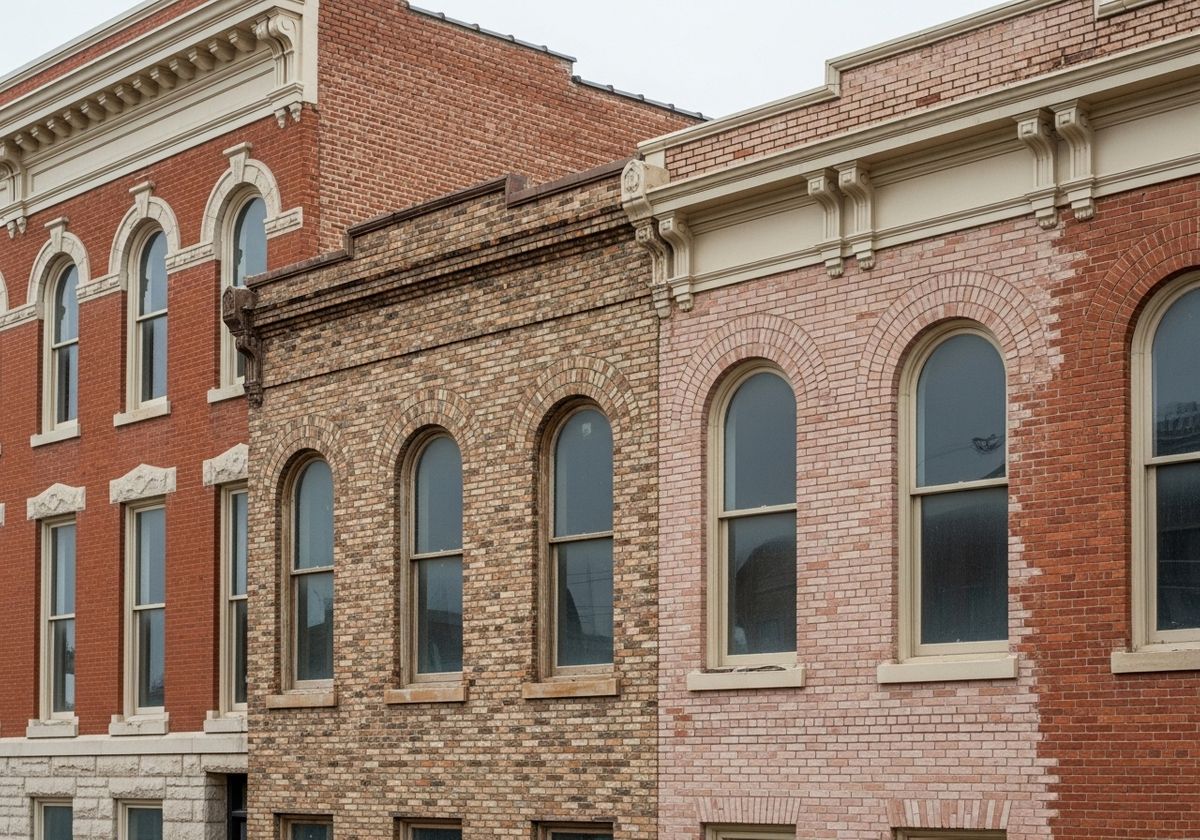
Missouri's architectural landscape is rich with historic buildings, each telling a unique story of the past. Preserving these structures requires specialized knowledge and techniques, especially when it comes to masonry restoration. At Waterstop Masonry Restoration & Waterproofing LLC, we specialize in masonry repair and historic masonry restoration, providing expert solutions to protect and preserve your historic buildings.Understanding Historic Masonry
Historic masonry differs significantly from modern construction. Older buildings often feature materials like soft-fired bricks, natural stone, and lime-based mortar. These materials are more porous and flexible than their modern counterparts, requiring careful consideration during any restoration or repair work. Recognizing the specific materials and construction methods used in the original building is crucial for a successful restoration.
The Importance of Gentle Cleaning
Cleaning historic masonry requires a delicate approach. Avoid harsh chemicals or high-pressure washing, as these can damage the soft materials. Opt for gentle cleaning methods, such as low-pressure water washing or using specialized masonry cleaning solutions. Always test a small, inconspicuous area first to ensure the cleaning method doesn't cause any adverse effects.
Mortar Matching and Repair
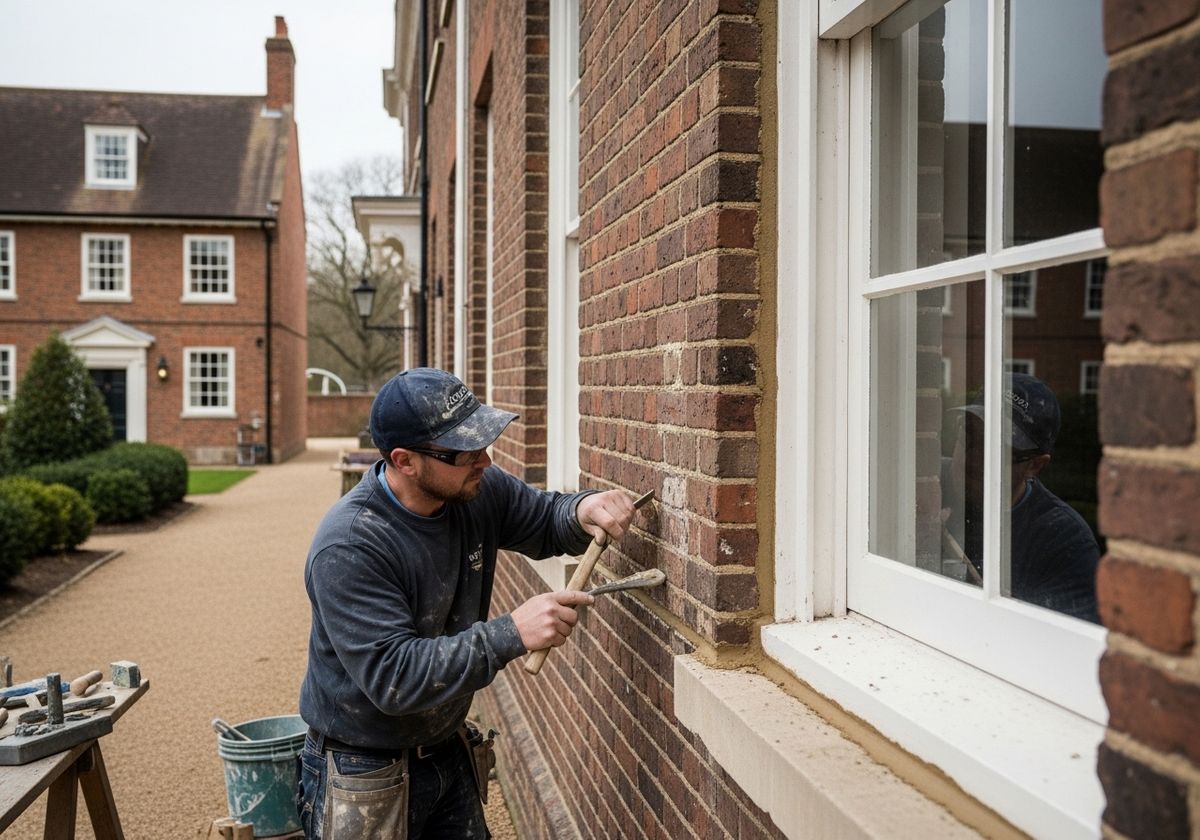
When repairing mortar joints, it's essential to match the original mortar as closely as possible. Using modern Portland cement-based mortar on historic masonry can lead to significant problems. Portland cement is much harder and less flexible than lime mortar, causing it to crack and damage the surrounding bricks or stones over time. Work with a mason experienced in historic masonry restoration to analyze the original mortar and create a compatible mix.
Addressing Water Damage
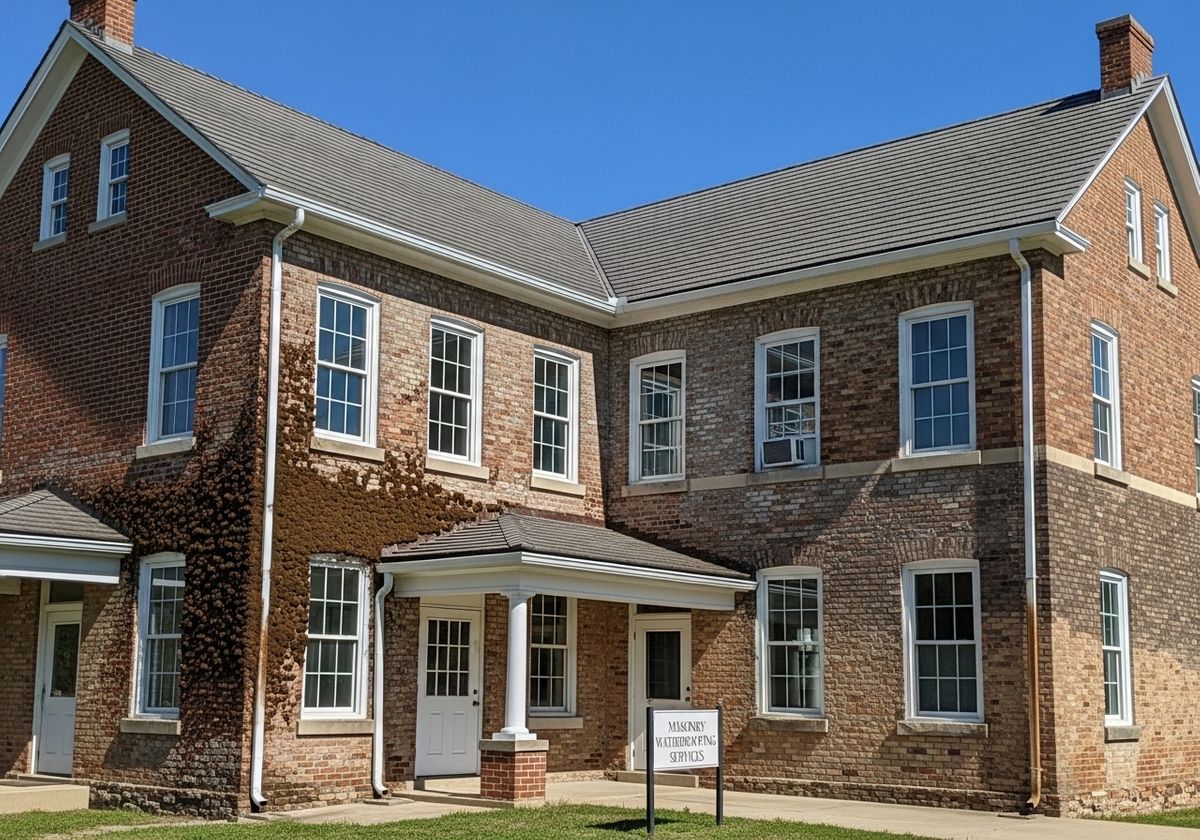
Water is a primary enemy of historic masonry. It can penetrate the porous materials, leading to freeze-thaw damage, efflorescence, and biological growth. Proper masonry waterproofing is essential to protect historic buildings. Ensure that roofs, gutters, and downspouts are in good repair to prevent water from entering the walls. Consider applying breathable water repellents specifically designed for historic masonry.
The Role of Commercial Masonry Contractors
While some minor repairs can be tackled by general contractors, complex historic masonry restoration projects require the expertise of commercial masonry contractors specializing in this field. These professionals have the knowledge, skills, and experience to assess the condition of the masonry, develop appropriate restoration plans, and execute the work with precision and care.
Prioritizing Preventative Maintenance
Regular inspections and preventative maintenance are key to preserving historic masonry. Address minor cracks, loose mortar joints, and other issues promptly to prevent them from escalating into larger, more costly problems. Keep vegetation away from the building's walls to prevent moisture retention and biological growth.
Conclusion
Preserving Missouri's historic buildings requires a deep understanding of traditional masonry techniques and materials. Gentle cleaning, compatible mortar, effective masonry waterproofing, and regular maintenance are all crucial for ensuring these landmarks endure. Ignoring these factors can lead to irreversible damage and the loss of valuable historical assets. Contact us today to learn more about our services and how we can help you maintain your property's historic charm.