
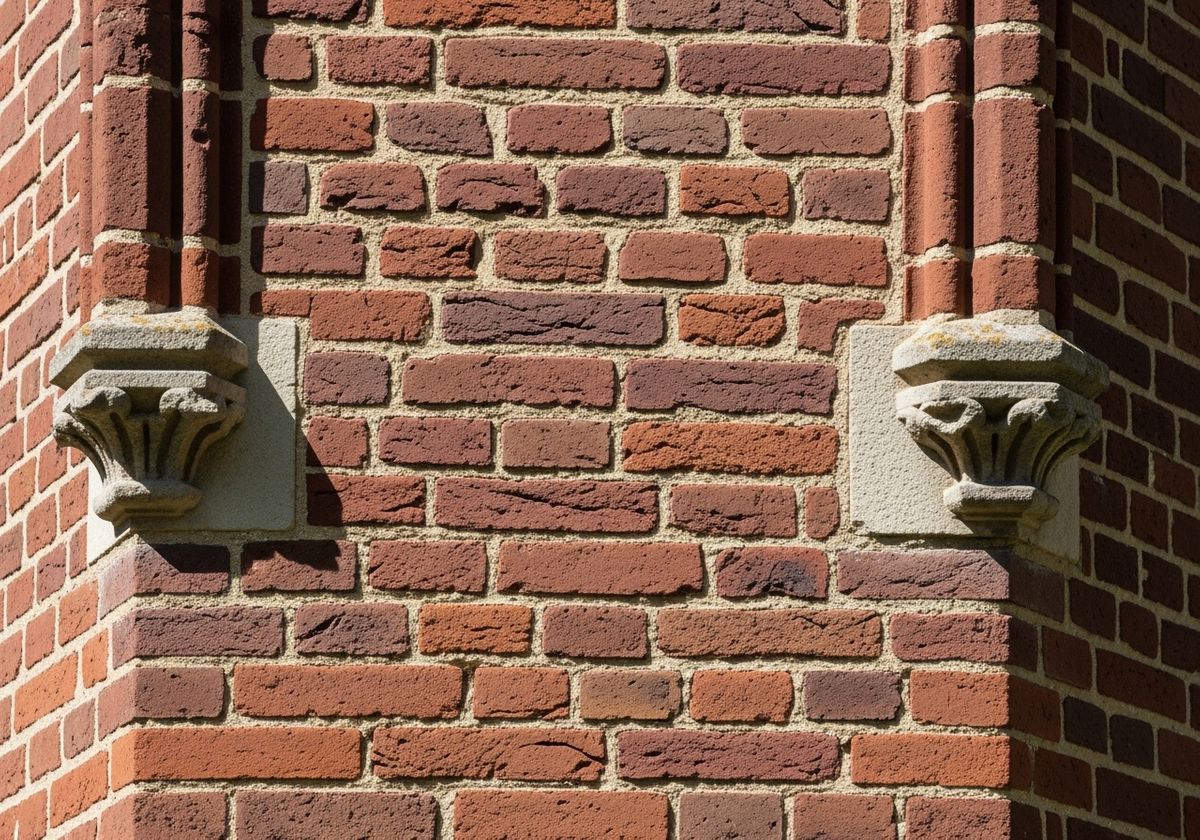
Delving into the world of architecture can feel like stepping back in time, with each brick and stone whispering stories of bygone eras. The masonry of a building, in particular, offers a fascinating glimpse into its history, revealing clues about its age, construction techniques, and the cultural influences that shaped its design. At Waterstop Masonry Restoration & Waterproofing LLC, we understand the nuances of commercial masonry and masonry waterproofing, and by examining the materials, patterns, and craftsmanship of masonry, we can unlock the secrets hidden within these structures and gain a deeper appreciation for our built heritage.
Materials Tell a Story
The type of materials used in a building's masonry can provide valuable insights into its age and origin. In many older structures, locally sourced materials were used due to transportation limitations. For instance, a building constructed in the early 19th century might feature brick made from clay found in the surrounding area. The color and texture of the brick can even indicate the specific quarry or pit from which it was extracted. Similarly, the type of stone used, such as sandstone, limestone, or granite, can reveal the geological characteristics of the region and the availability of resources at the time of construction.
Construction Techniques: A Reflection of Time
The way in which masonry is laid and bonded together also evolves over time, reflecting advancements in construction techniques and changing architectural styles. Early masonry often relied on simple bonding patterns, such as common bond or English bond, where alternating courses of headers and stretchers create a strong, interlocking structure. As technology advanced, new bonding patterns emerged, such as Flemish bond, which features alternating headers and stretchers in each course, creating a more decorative appearance. Mortar composition also changed over time, with older buildings typically using lime-based mortars that were more flexible and breathable than modern Portland cement-based mortars.
Architectural Styles and Ornamentation
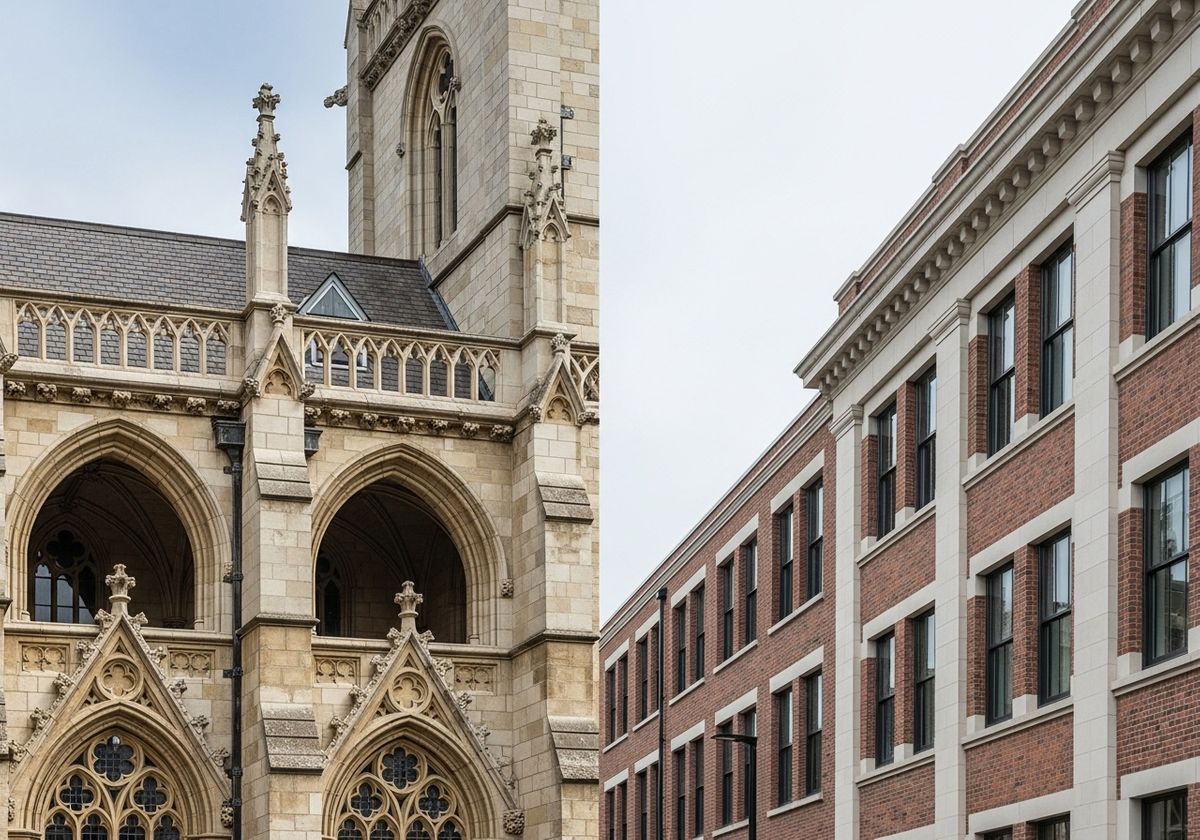
The architectural style of a building can also be discerned from its masonry details. For example, a Gothic Revival building might feature pointed arches, ribbed vaults, and elaborate ornamentation carved from stone. In contrast, a more modern, industrial building might showcase clean lines, simple brick patterns, and minimal ornamentation. The presence of specific decorative elements, such as quoins, cornices, and window surrounds, can further help to identify the architectural style and era of a building.
The Importance of Preservation
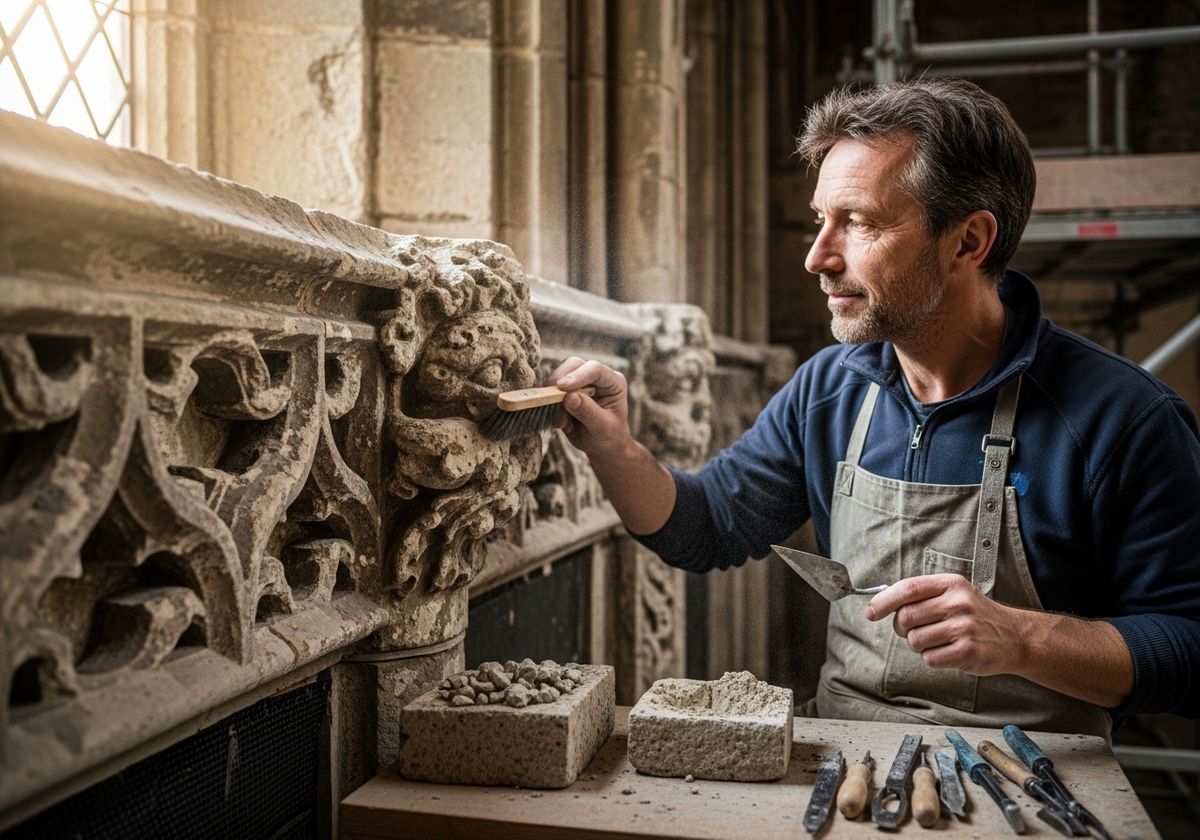
Understanding the historical significance of masonry is crucial for preserving our architectural heritage. When undertaking any masonry repair or restoration project, it's essential to carefully consider the original materials and techniques used in the building's construction. Historic masonry restoration requires a specialized approach that prioritizes the preservation of the building's character and integrity.
By carefully examining the materials, construction techniques, and architectural styles evident in a building's masonry, we can gain a deeper understanding of its history and significance. Recognizing the importance of preserving these historical elements is essential for maintaining our built heritage for future generations. At Waterstop Masonry Restoration & Waterproofing LLC, we understand the nuances of commercial masonry and masonry waterproofing, ensuring that every mason on our team approaches each project with the care and expertise it deserves. Contact us today to learn more about how we can help you preserve the history and integrity of your building's masonry. Or, visit our website to view some of our past projects.